Global geopolitics, tight supply chains and ongoing trade restrictions continue to shape fertiliser markets in 2026.
According to Ballance’s latest fertiliser outlook for autumn, strong global demand for key nutrients, particularly urea, alongside constrained supply from major producing regions, continues to influence fertiliser prices.
Ballance Head of Procurement Shane Crean says international dynamics remain the dominant influence on fertiliser affordability and availability.
“What we’re seeing is global volatility is now a constant rather than the one-off shocks we’ve seen previously,” he says.
“India’s increased purchase of urea, alongside China’s ongoing export restrictions on diammonium phosphate (DAP), MAP, NPK’s and urea, as well as continued geopolitical instability are all combining to keep pressure on global fertiliser markets.”
What’s driving fertiliser markets right now
- Urea: Strong global demand, led by India, with China’s export restrictions continuing to limit supply. Prices expected to remain firm, with marginal increases possible through autumn.
- Sulphur: Global supply remains tight due to reduced Russian exports. Strong demand from fertiliser and metals industries supporting prices.
- Phosphates (DAP, Double Super, Super): High energy costs across the globe coupled with China’s export restrictions are keeping prices elevated.
- Sulphate of ammonia: Firming prices are being seen as a result of reduced operating rates of Chinese manufacturers, increased demand in key markets, and a close relativity to urea pricing.
- Potash: Prices stable but sensitive, and tight supply could lead to mild upward pressure into winter.
What’s on the horizon
- Ongoing instability in the Middle East, Eastern Europe and the US, affecting energy and freight.
- Uncertainty around Iran, as a major urea producer.
- Questions over whether Europe’s new Carbon Border Adjustment Mechanism (CBAM) will continue to apply to fertilisers, or will they be exempt.
What this means for farmers
Crean says while global volatility continues to influence pricing, looking ahead, assuming there’s no abnormal supply disruptions and that forecast conditions play out, there may be some stability return to the market particularly if Chinese exports resume.
“However, holding off fertiliser applications in the hope of a big price drop could backfire. The best approach is to plan ahead and apply appropriately for your farm system and seasonal conditions,” he says.
Crean adds that Ballance is also bolstering supply through a mix of domestic production and offshore sourcing.
“Our priority is ensuring farmers have access to competitively priced fertiliser when they need it,” he says.
The latest fertiliser outlook can be found here: Fertiliser Outlook January 2026
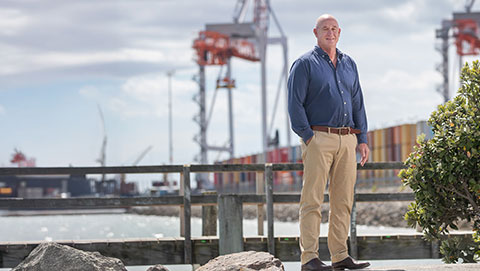
Shane Crean, Head of Procurement